Why edge care matters in real spaces
South African rooms are busy places. Whether it’s a Cape Town clinic, a Joburg design studio or a family lounge in Durban, felt trims and wraps take knocks from shoes, bags, chairs and the sweep of cleaning gear. Edges on plinths, screens, runners and seat wraps get more wear than the centre, especially in high-traffic zones or when cleaning is rough.
A felt edge that starts to look fuzzy, dirty or misshapen draws the eye straight to the problem. In public spaces, first impressions count. At home, soft edges mean comfort and calm, not scruffy or frayed corners. The right edge care saves you from early replacement and keeps the room looking intentional.
What we’ve learned about felt edges
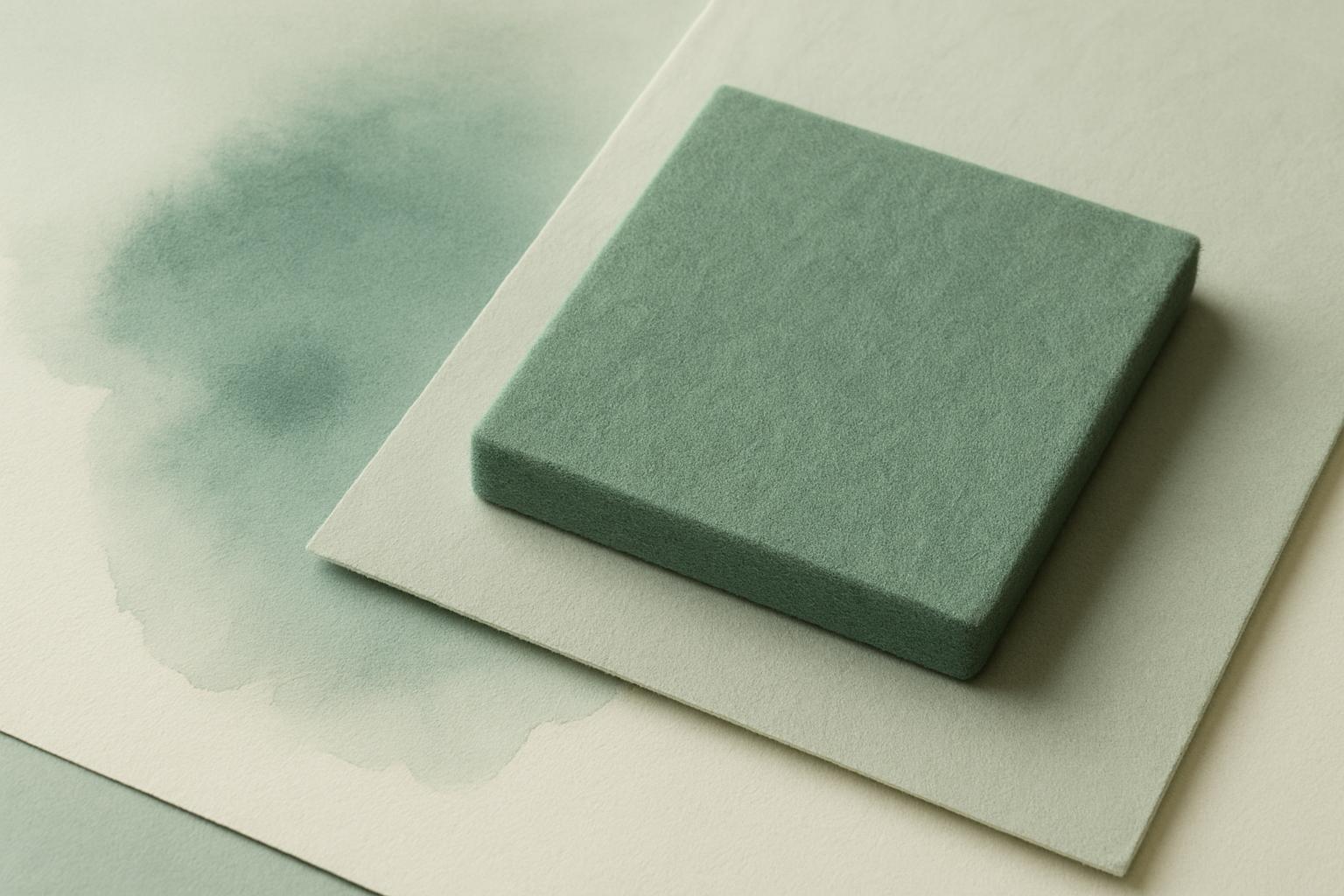
Felt is a non-woven textile: the fibres are compressed and matted, not woven, so a cut edge does not fray like a fabric. With wool felt, the edge is firm and slightly rounded; with denser felts such as our Merino Plinth Felt or Desk Mat Felt, it stays crisp with a regular brush and gentle use.
Soft felt goods often take their hardest knocks at the edges. On window seat cushions or banquette wraps, the piped or bound edge gives extra shape and protection. For flat-cut products, entry mats, runners, plinth wraps, edges should sit flush with the surface and not catch under doors or feet. Regular cleaning and smart fitting matter more than any treatment or coating we could add.
A quick story from a recent job
A school in Somerset West called us after their new Merino Plinth Felt wraps started to look worn along the step edge. The finish was still tidy, but daily foot traffic, vacuuming and some muddy trainers had left the edge looking dull and fuzzy.
We helped the caretakers with a quick re-brush and spot-clean. A few minutes with a clean shoe brush and a damp cloth worked wonders. The right care routine, shared with the cleaning staff, meant no need for replacement, just a reset and a better strategy for next term.
Practical steps for tidy felt edges
Looking after cut felt edges is simple if you build it into your normal care routine. Here is what we suggest for most wall, floor or seat edges:
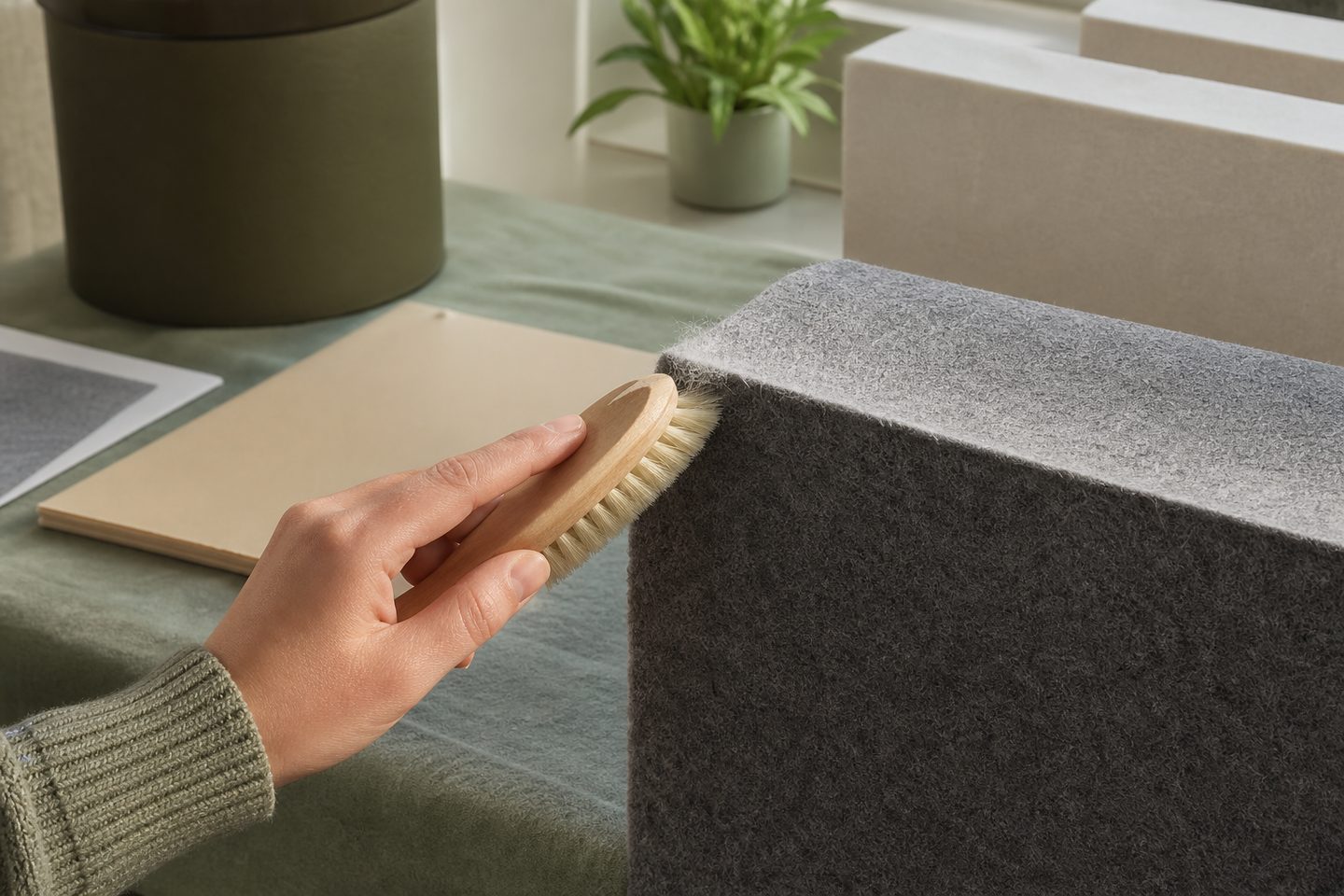
- Brush felt edges with a clean, dry shoe brush to lift dust and restore the pile
- Blot marks with a damp (not wet) cloth, using cool water and mild soap if needed
- Never rub hard, wring, or use hot water, this can distort or shrink wool felt
- Check edges regularly for grit or mud and clean promptly to prevent set-in dirt
- Avoid dragging furniture or trolleys over exposed felt ends
- If you see a lifted, damaged or distorted edge, contact us before trimming or pulling
What to send us if you need help
If you are worried about a felt edge, maybe it looks very fuzzy, is lifting, or has a stubborn stain, send us a message through our contact form. It helps if you include a close, well-lit photo of the edge and describe where the felt is fitted.
Let us know what cleaning routine is in place, any products you have tried, and if the edge is exposed to heavy traffic or strong sun. We can advise on spot repairs, professional refitting or a site visit if needed. If it’s an urgent care issue, Pieter or one of the team will be in touch to walk you through the next steps.