Where felt struggles in South African venues
In restaurants, hotels, and cafés, soft goods like Banquette Wraps and entry mats bear the brunt of spills, shoe scuffs, food drops and cleaning shifts. Hospitality spaces in Joburg or Durban face dust, humidity, or greasy shoe marks, while Cape Town’s sea air can leave salt rings on every soft surface. Wet boots and cold mornings in the Highveld mean mud on plinth felt and runners. Quick spot care makes the difference between a felt surface that lasts and one that must be replaced after a season.
Felt’s appeal is its quiet texture, clean edge, and the way it tames clatter. But if a fizzy drink soaks into a booth wrap, or cappuccino spills on a window seat, urgency matters. Most venues dont have the luxury of closing off a row of seats for days. The wrong habit, using hot water or harsh chemicals, can shrink or stain wool felt, or leave polyester acoustic felt looking misshapen.
Lessons from fitting and fixing commercial felt
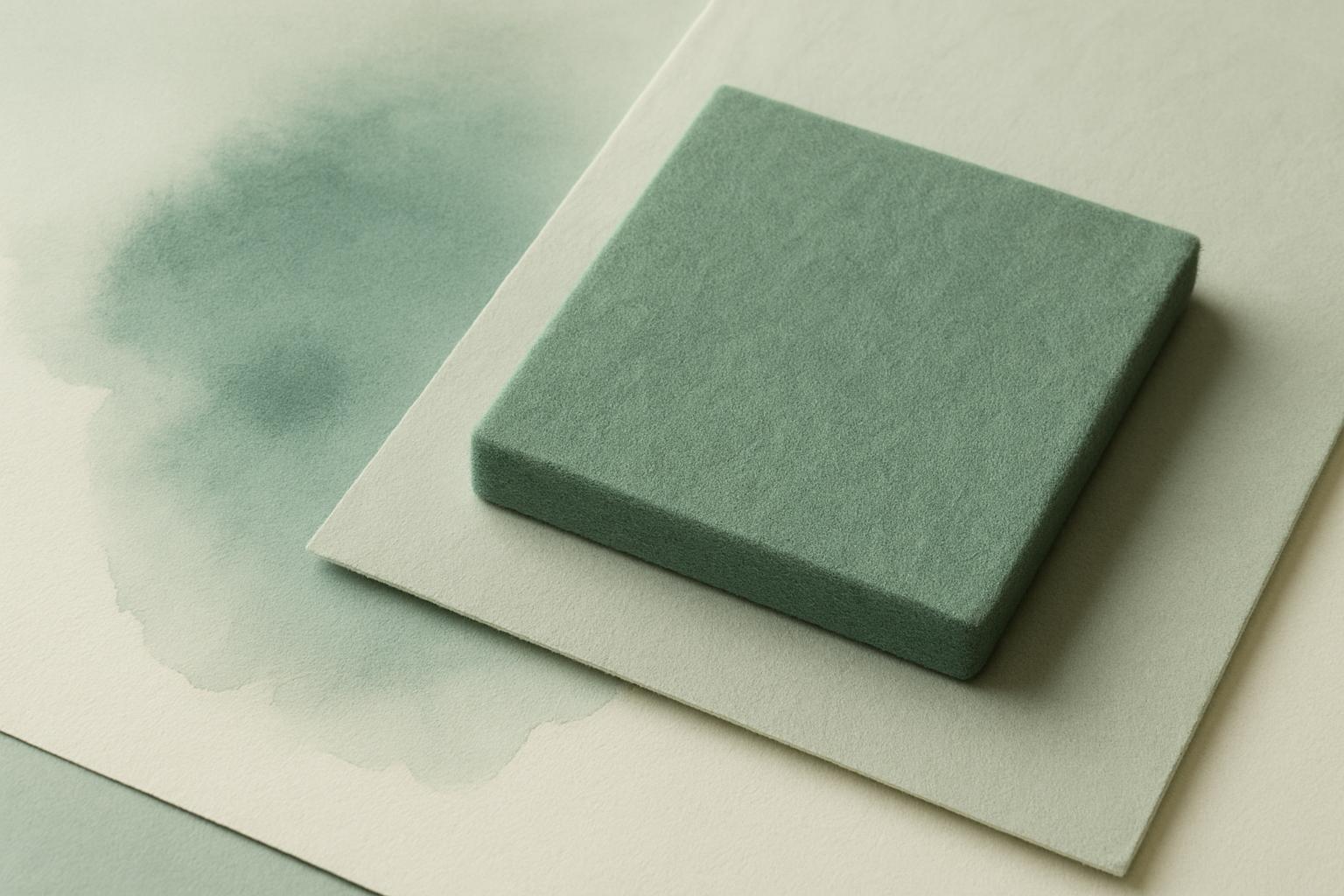
We have learned that no two venues treat felt the same way, so the best care starts with good fitting and clear instructions. For example, our Banquette Wraps and Desk Mat Felt work best on smooth, dust-free surfaces and need all spills blotted up as they happen. Merino Plinth Felt on ledges should have a slight overhang to protect timber edges, but avoid trapping moisture underneath.
Wool felt brings natural elegance and is resistant to ignition, but can go musty if left damp. Polyester acoustic felt shrugs off moisture and won’t feed moths, but does soften with heat. Both types need cool spot cleaning and shade drying. Never soak a fitted piece or leave cleaning fluid to pool along seams, work fast, keep the area ventilated, and aim for dry in under an hour.
A quick story from the breakfast shift
One Cape Town hotel had their entry mat soaked after a winter storm, the staff thought running a heater would help, but the polyester felt softened and lost its shape. We replaced it and coached the team on flat shade drying and the importance of grip backs.
It was a small slip in a busy morning, but it taught us that even practical teams need reminders that felt is tough in some ways and delicate in others. We always suggest checking the care tag and asking us if unsure.
Care steps for commercial felt in food and hotel spaces
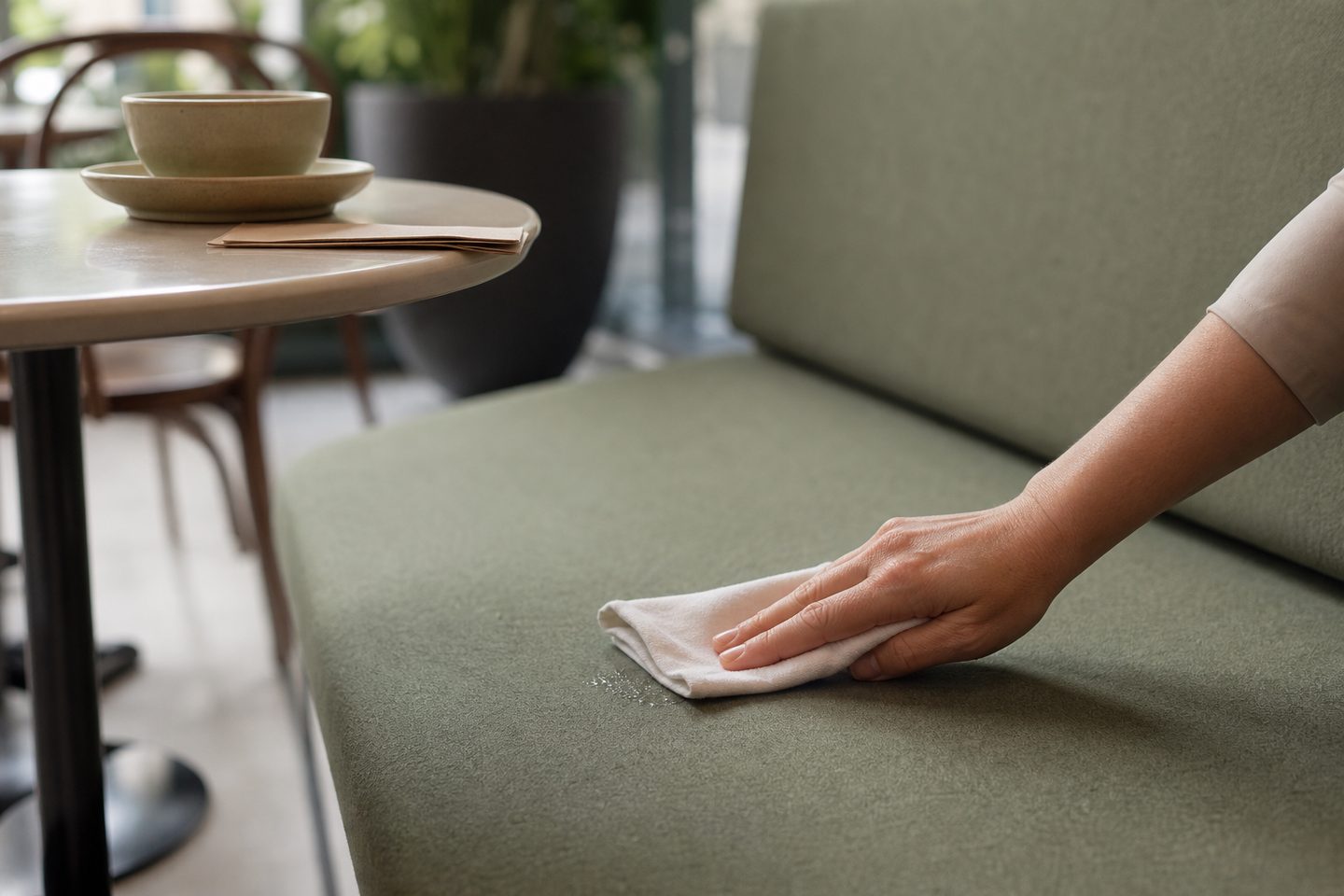
Keep a spray bottle with cool, mild upholstery shampoo and a soft white cloth at every service station. Brief staff to blot, not rub, and always dab from the outside of a spill inward. Rotate entry mats and seat cushions regularly, especially near windows and doors. Allow damp felt to dry flat in shade before reusing. Vacuum or brush weekly to remove crumbs, dust, hair, and grit. Never use hot water, bleach, or direct heat on felt surfaces.
- Blot spills quickly with a cool, damp cloth
- Keep cleaning products mild and never hot
- Dry felt flat in shade after spot cleaning
- Vacuum or brush weekly in high-traffic areas
- Rotate pieces to even out sun and wear
- Check care tags and call us with questions
What to send if you want help with commercial felt
If you need advice for your venue, send us a message through our contact form with your city, the felt product in question, the area it’s fitted to, and a clear photo of the issue. The more detail you give, how it’s mounted, what the spill was, how you’ve tried to clean, the more practical our advice will be.
We can arrange site visits in most cities, or send samples to your manager for on-site testing. Whether it’s a single booth wrap or a full run of entry mats, we’re here to help you keep your felt looking its best.