Space
Yoga studios benefit from soft ceiling clouds and wall felt fields that control echo, keep warmth in, and make every session more comfortable. Our felt solutions are practical and calm.
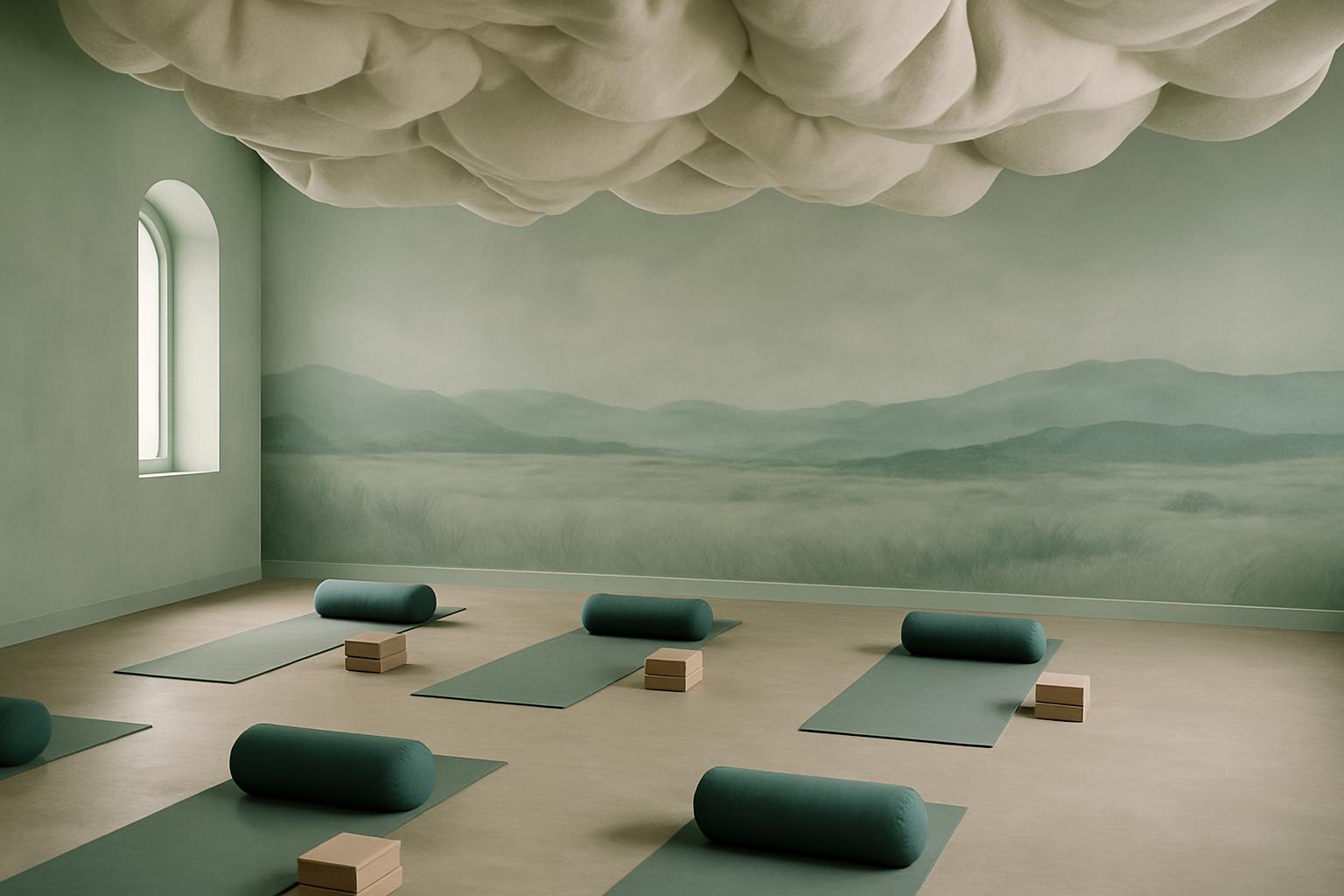
Practice space with less slap and more calm.
Yoga studios are meant to be tranquil but quickly pick up echo, footfall and street noise, especially in urban buildings with hard floors and glass. When voices or music bounce around, it is hard to focus, and simple footsteps can sound harsh.
In Cape Town, the chill of a wet winter creeps in through concrete and tile. On the Highveld, winter mornings are dry and cold. Stone and timber floors feel icy underfoot, and heat vanishes fast. Even in Durban, humidity makes the air heavy, but hard surfaces still amplify sound. Without the right textiles, a studio feels echoey and unwelcoming.
Ceiling Cloud Felt is made for overhead sound control. We suspend these soft, sculpted felt clouds on a rail kit, typically over the central practice area. They are especially helpful in rooms with high ceilings or tight echoes. By breaking up open space above, they tame reverb and add a visual softness.
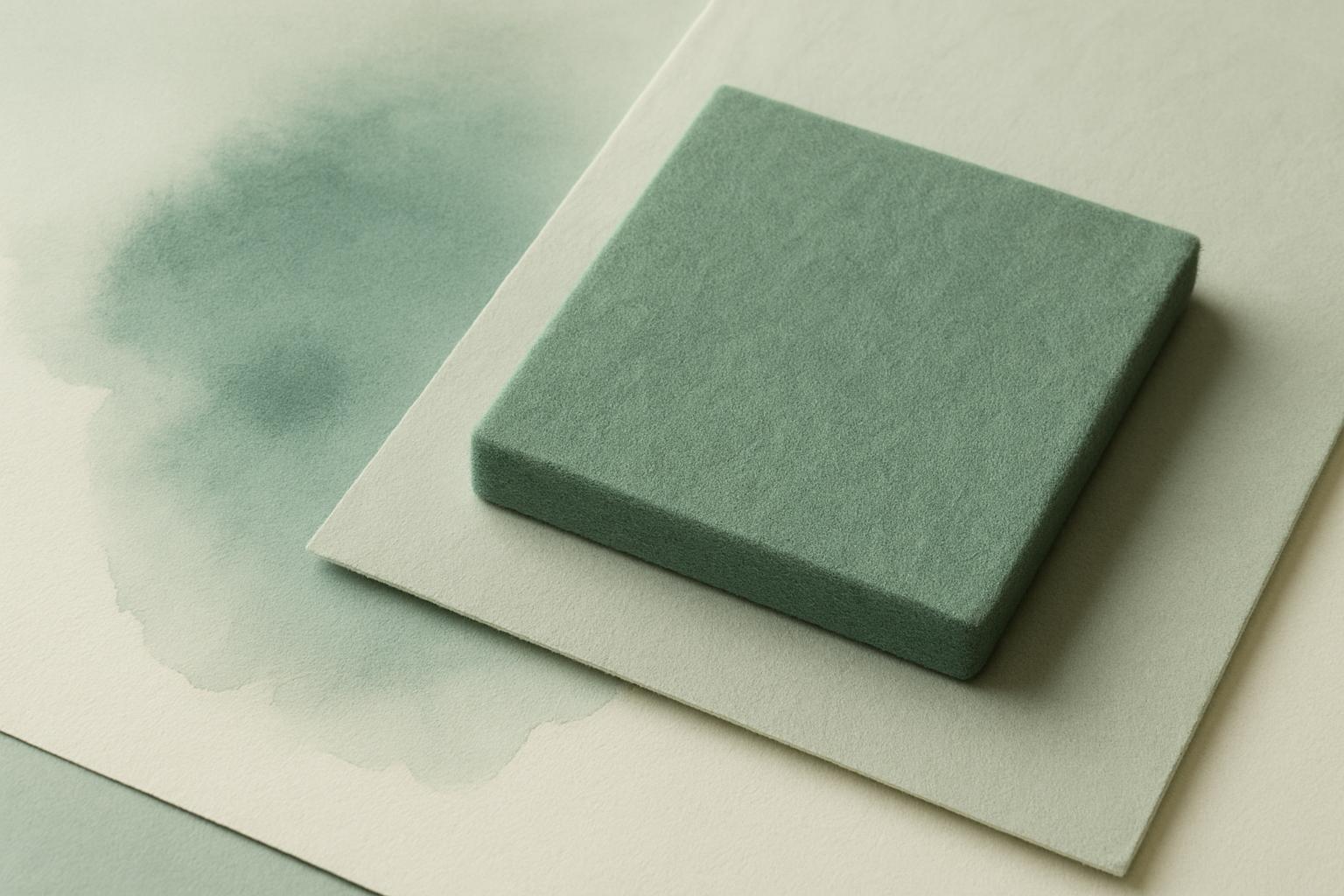
Softline Wall Felt is a continuous or panelised felt we mount on key wall sections, often behind the instructor or along a mirror wall. This felt is dense enough to absorb clatter and soften speech, making guided sessions gentler for everyone. Choose a calm finish like Mist Paper or Sage Field to keep the room serene.
Entry Mat Soft sits at the door. It is a dense felt mat with a grip back to trap dirt and water from shoes, protecting your floors and keeping the studio clean.
Every yoga studio is different, so start by noticing where sound is harshest or where cold creeps in. We recommend a site visit or using our Woodstock studio sample library to test felt thickness and finishes under your actual lighting and foot traffic.
Think about the flow: ceiling clouds go above practice mats, wall felt softens main reflecting surfaces, and entry mats protect thresholds. Our team can help measure up, suggest mounting options and advise on cleaning routines.
Choose soft, pale finishes where possible. In bright studios, rotate wall panels or entry mats now and then to even out UV fading. For humid coastlines, regular air flow helps all textiles last longer.
One mistake is skipping acoustic checks and just adding soft mats or curtains. Thin textiles alone seldom bring real calm to a studio with hard floors and glass. Sound bounces off unprotected ceilings and walls, leaving the space noisy, no matter how many mats you add.
Another issue is picking the wrong finish for your climate or sun exposure. In Highveld studios, dark felt can fade quickly if left near sunny windows. In Cape Town or Durban, lack of ventilation invites damp and mustiness, especially with wool-rich felt. Keep windows open when you can, make sure felt pieces dry out properly, and clean regularly to avoid moths or dirt build-up.
Finally, measure carefully before ordering: entry mats and wall panels cut to your size cannot be returned if the size is wrong. Our team is happy to help you double-check before we cut or install.
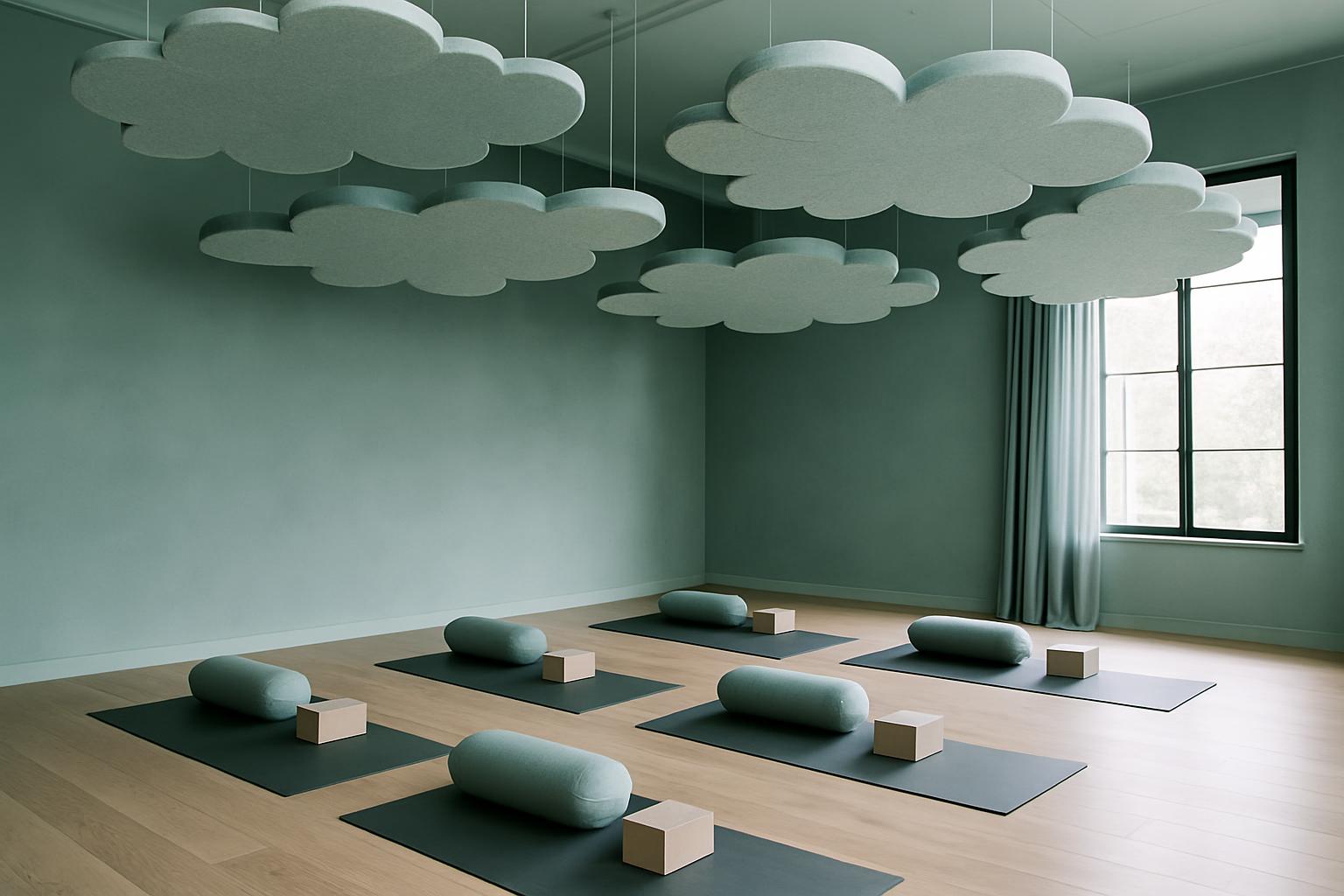
Ceiling
Soft ceiling clouds for restaurants, studios, and lobbies that need less echo.
Explore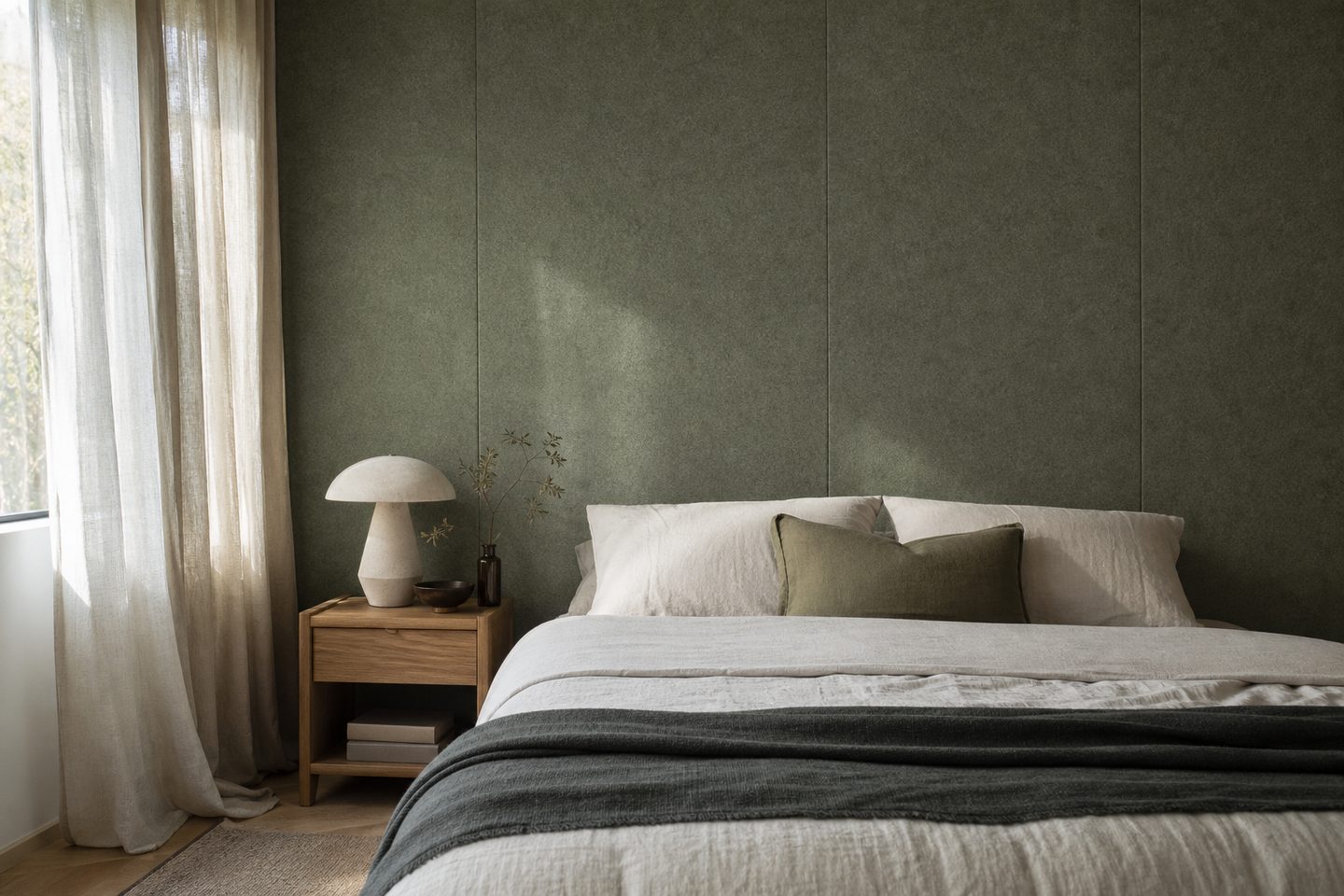
Wall field
Continuous wall felt for soft acoustic fields behind sofas, beds, and reception desks.
Explore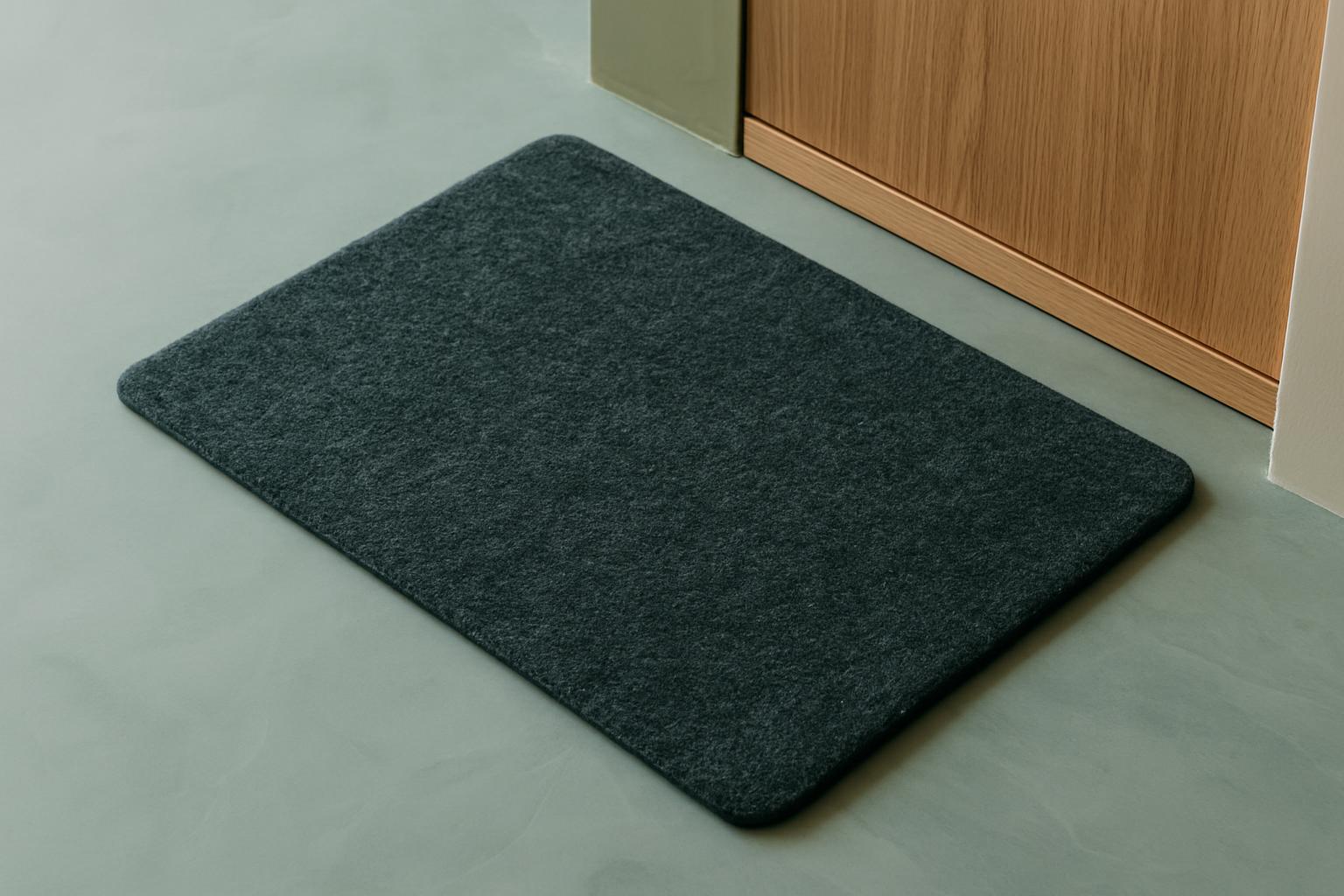
Entry
Felt entry mats that catch grit before it reaches soft runners and timber floors.
ExploreVerified Google reviews