Why stair edges need a reliable grip
In plenty of South African homes and clinics, timber stairs look good but feel cold and slippery, especially in winter. Felt nosing wraps the step for a softer, quieter climb, but if the edge slides or peels up it quickly becomes a hazard. Highveld dust or Cape damp can sneak under the nosing and loosen even the best adhesives.
I've seen entry-level grip mats break down fast, leaving the felt edge creeping forward or curling at the corners. When a stair nosing moves, it doesn't just look untidy, it can trip someone up, especially in busy offices or clinics where people move quickly. For safety and appearance, edge grip that truly lasts is a must.
How felt and underlays work together
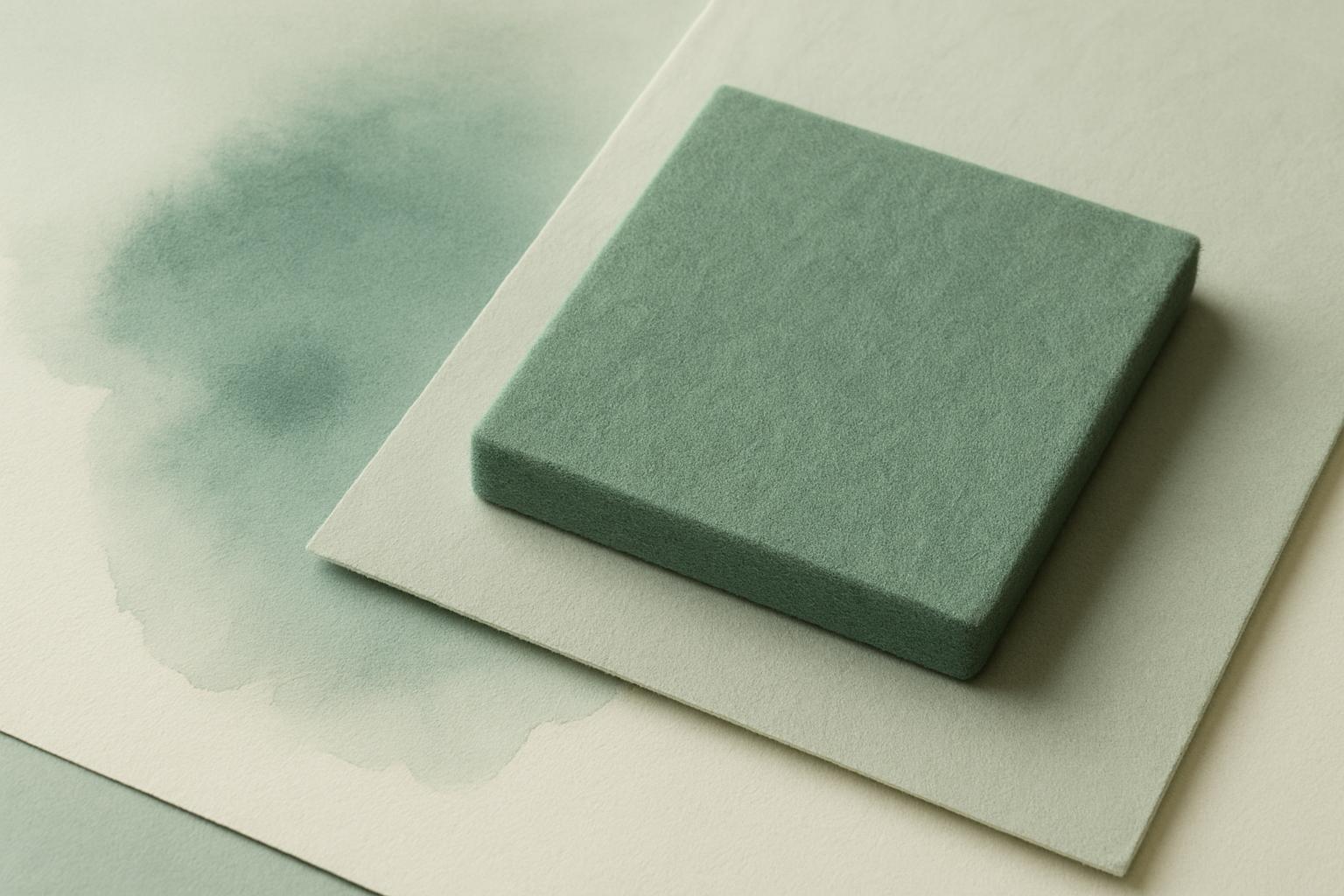
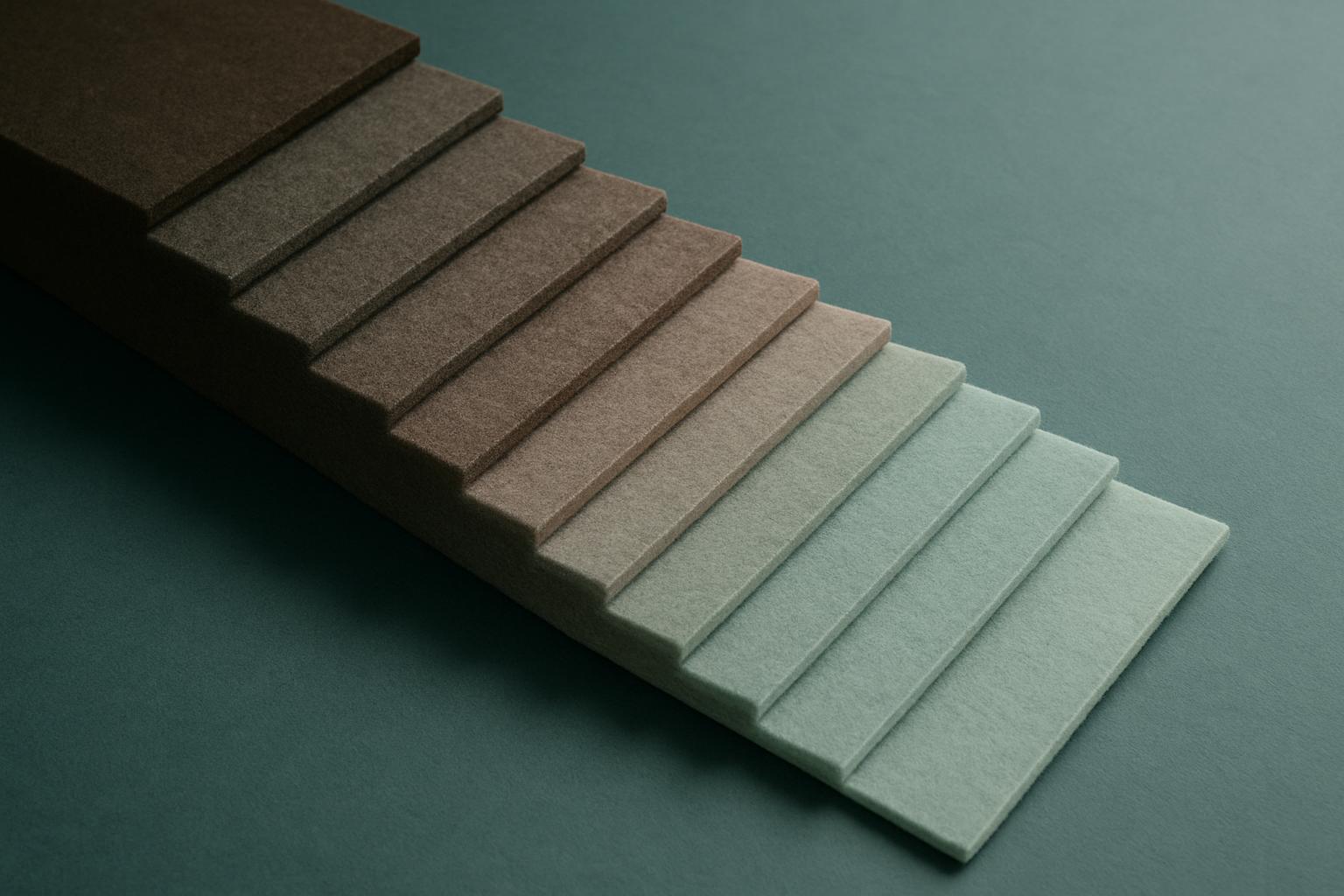
Felt is a non-woven textile, so its cut edges do not fray and the material can be shaped closely around stair profiles. For our Stair Nose Soft wraps, we use a dense felt with a gentle bullnose, fitted snug over timber treads. The underlay below is crucial: it holds the felt in place against movement, dirt and daily traffic.
Wool felt takes up some moisture but must dry out fully to avoid mustiness. That's why we use underlays that are moisture-tolerant and grip well in both dry Joburg winters and Durban’s damp air. The underlay sits between the timber and felt, combining mechanical grip with the right adhesive or double-sided tape. We cut both felt and underlay to fit the individual stair, so there’s no overlap or exposed edge to catch a shoe.
A quick story from installation
One of our school projects in Mbombela had timber steps that were always scuffed and noisy between lessons. The manager wanted a softer surface but worried about felt shifting or coming loose with hundreds of shoes a day.
We measured each tread, cut the Stair Nose Soft and grip underlay to size, and installed it over a morning. Now, months later, the felt still sits tight and the stairs are quieter. The only hiccup was that I left my favourite trimming knife at the job, shows you how a long day can make you forget things.
What you need to check before fitting
A lasting grip starts with careful prep and fitting. Here’s what I recommend checking before you install felt nosing on timber stairs:
- Clean and dry the timber surface fully
- Check for loose or damaged steps first
- Choose the right underlay for humidity and traffic
- Cut felt and underlay to match each tread
- Use weight to press the nosing down while adhesive sets
How to get tailored advice for your stairs
If you want help choosing the best grip setup for your stair nosing, send us a message using our contact form. Please tell us your city, the type of stairs (straight or winding), and share a photo of the steps if possible.
We’ll talk through the right felt, underlay and fitting method for your space. Our team can measure, cut and install across South Africa, or guide your own contractor if you prefer.