Why height alone misses the real noise problem
When we walk into an echoey clinic or an open-plan office in Durban or Joburg, the first request is often for ‘taller screens’ to quieten things down. The thinking is simple: bigger is better, so a taller partition must ‘block’ more sound. But sound, especially speech, finds its way over, under and around barriers, height gives visual privacy, but noise often takes the easiest path.
If you have tiled floors, plenty of glass, and a solid ceiling, no partition is going to silence the room. A 1,800 mm felt screen won’t solve clatter if the real trouble is bare walls or a hard ceiling. Acoustic felt helps, but it needs to be used thoughtfully.
What we have learned with felt screens
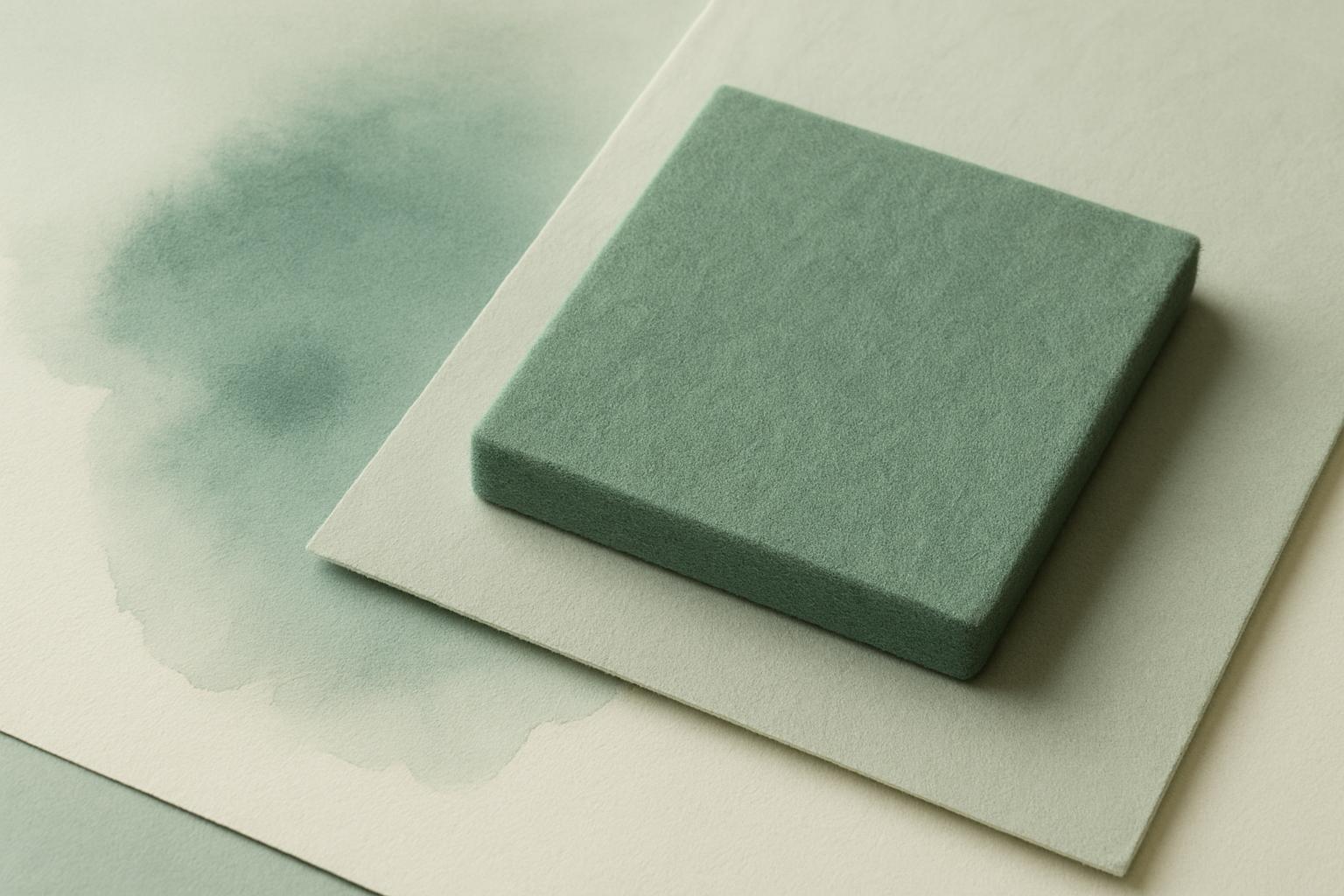
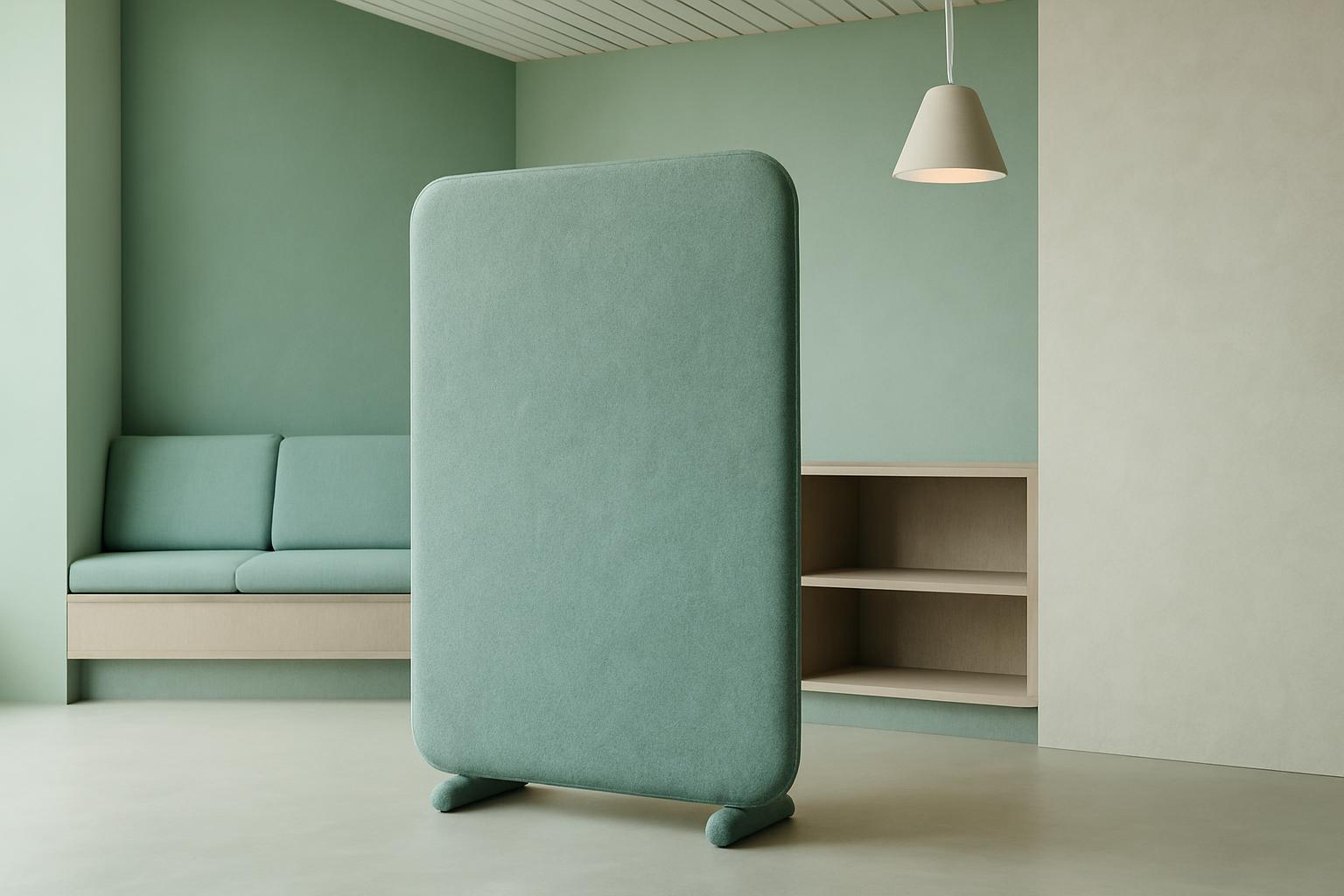
Our Partition Screen Felt comes in a range of heights, but the acoustic difference between 1,500 mm and 1,800 mm is often less than people expect. The real gains tend to come from how you arrange the screens, the thickness of the felt, and whether both sides are exposed to the room.
Polyester acoustic felt absorbs speech frequencies, but it is not a full sound barrier. If you want to cut the sharp edge of noise in a waiting area or library, a series of screens with gaps for airflow works better than a single, wall-like barricade. We have fitted screens freestanding and suspended from rails, always checking the space for airflow and cleaning access.
A quick story from a recent install
We once fitted Partition Screen Felt for a Joburg clinic that had been struggling with noise between admin and the waiting area. They wanted the tallest screens we could supply, running almost ceiling to floor. We advised starting with medium-height screens, with a staggered layout.
After a week, the feedback was that conversations were much less sharp, and the space felt more private, without cutting off light and airflow. They were surprised that the ‘medium’ screens worked just as well as the tall ones they first requested, with less cleaning hassle and no blocked aircon vents.
Steps for choosing the right screen setup
If you are planning screens for a home office, school, clinic or café, here is what we recommend before picking a height or width.
Be practical about what you want to achieve: is it privacy, less echo, or both? The solution often combines felt screens with other soft finishes, like wall felt or entry mats.
- Measure the spaces, width, ceiling height and furniture layout
- Check for airflow: avoid blocking aircon, fans or natural cross-ventilation
- Think about cleaning: taller screens can be awkward to keep dust-free
- Decide if you want freestanding, fixed or rail-mounted screens
- Consider combining screens with wall or ceiling felt for best results
What to send us for a tailored screen proposal
If you want help choosing screen sizes and finishes, send us a message through our contact form. The best starting point is a rough plan or photos of your space, plus your main reason for adding screens, privacy, noise, or both.
Let us know your preferred colours from our range, the number of screens you think you need, and any site constraints, like power points or cleaning requirements. Our team will guide you on felt options, practical heights, and a fitting plan that suits your room and use.