Where wrong runner lengths cause problems
A runner that is too short leaves your tiles exposed and defeats the point, while one that is too long curls up at the ends or bunches under the door. In old Joburg homes, we often see runners missing the awkward bend or failing to clear built-in cupboards. In a busy passage, this means tripping, scuffed felt corners, and a piece that never quite sits flat.
Many South African passages are not as straight as they look on a floorplan. Door frames, steps and built-in furniture all eat into the run. If you guess or work from a standard size, something always ends up sticking out or leaving a gap.
What we have learned about fitting felt runners
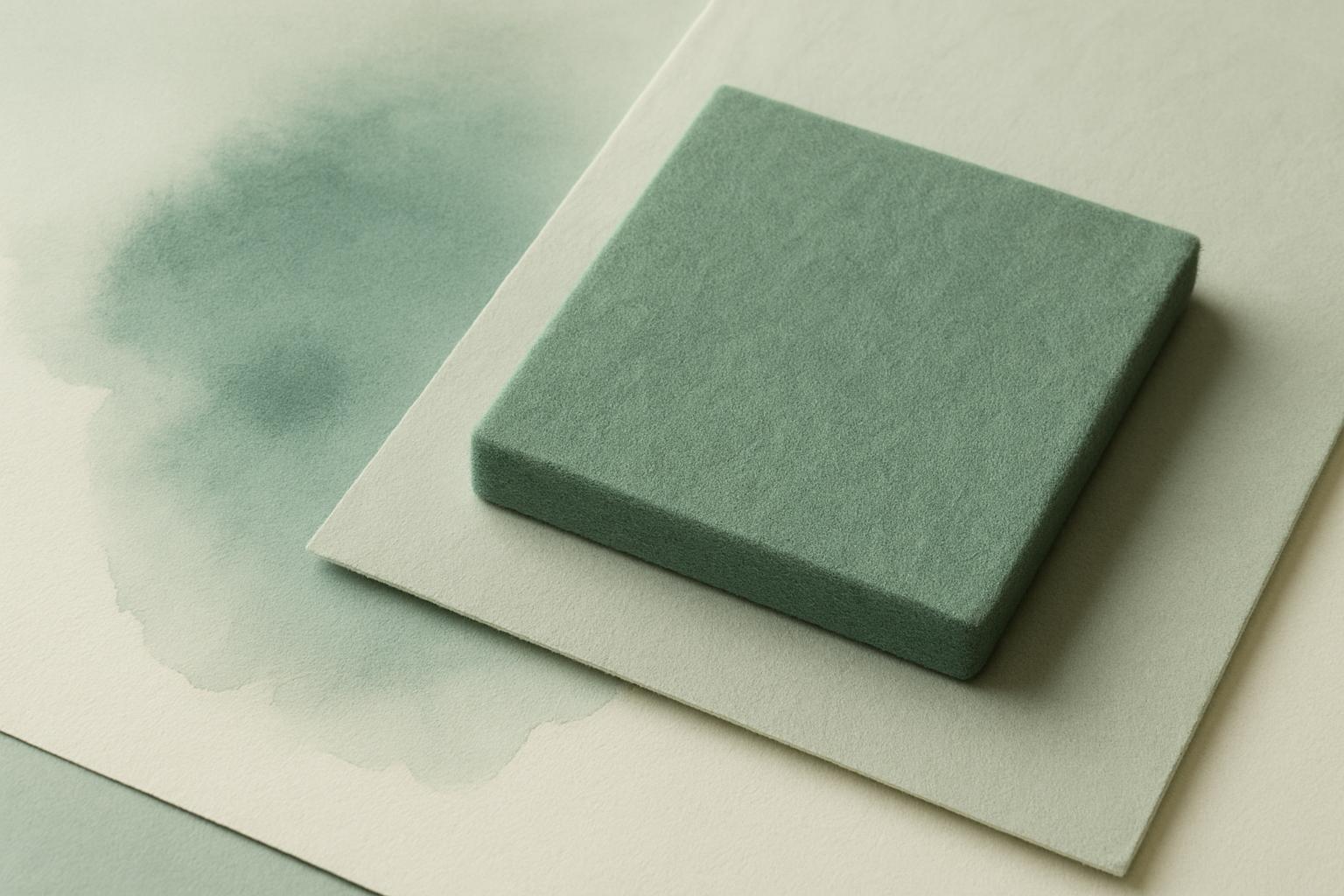
Felt behaves differently to a woven carpet or vinyl runner: it does not fray at the edges, so we cut each runner to the length and width you need. Our Hearth Runner is felt with a grip back, made to sit steady on tile, timber or stone floors. We have seen it used everywhere from old farmhouses with pine floors to new city flats where echoes bounce off concrete.
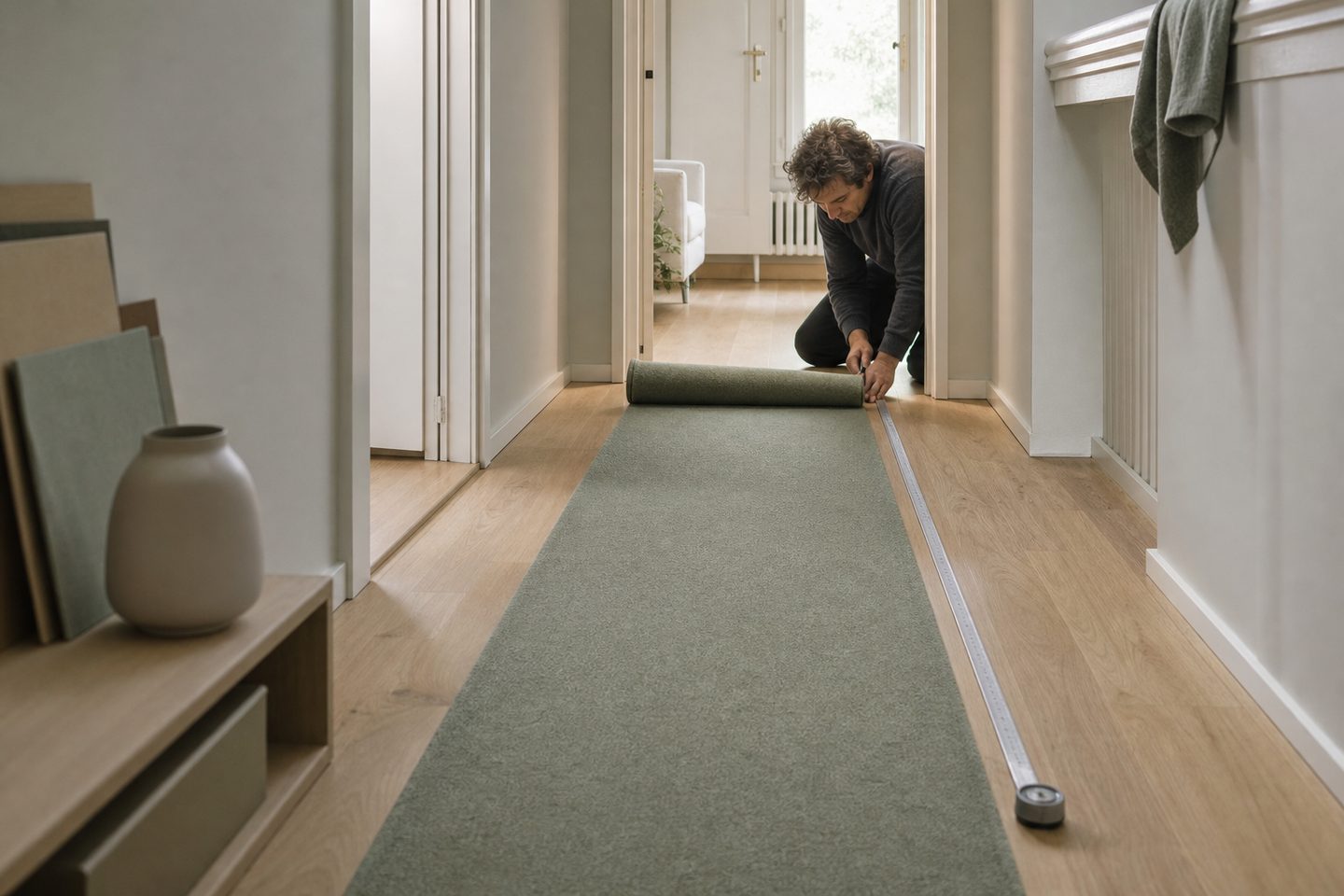
A good fit means the runner stops just short of the doorway, leaving enough space for the door to swing without catching. In curved or stepped passages, a template or a masking tape outline on the floor saves a lot of trouble later. Felt is also dense, so it softens footfall and picks up dust, but it needs room to be lifted and cleaned. We always recommend a small gap at the wall edge, never run it wall to wall.
When a careful measure saved the job
In Durban North, a client sent us the tape measure size from skirting to skirting, hoping for a snug fit. Samir checked the site and saw the passage narrowed near the linen cupboard by nearly 40 mm. If we had cut to the longer size, the runner would have been forced up the wall or wrinkled at the pinch point.
We made a paper template around the tightest part and finished the runner 20 mm short at each end. The result: a runner that sits flat, clears the cupboard, and lifts easily for cleaning, no trip hazard for kids or guests.
Simple steps for measuring your passage
Take your time with a tape and these checks before you send us any numbers. It saves cost, cutting, and returns:
- Measure the length between the door frames, not wall to wall
- Check both sides: some passages taper or have a cupboard jutting out
- Allow 10 to 20 mm clearance at each end so doors swing freely
- Mark any steps, bends or floor vents on a sketch or take a photo
- If the runner will turn a corner, tape out the shape and measure both arms
- Let us know the floor surface, timber, vinyl, tile or stone, so we can advise on grip
What to send us to get started
The best start is a clear floor plan or a few photos, plus your tape measure numbers showing actual lengths and any tricky spots. If you can, sketch the passage with doorways, cupboards and any turns marked in.
Send us a message through our contact form with your details, city and a note on who uses the space, kids, pets, clients, staff or guests. We’ll come back with advice or a site check if needed, and confirm your runner in the felt finish that suits your space.